
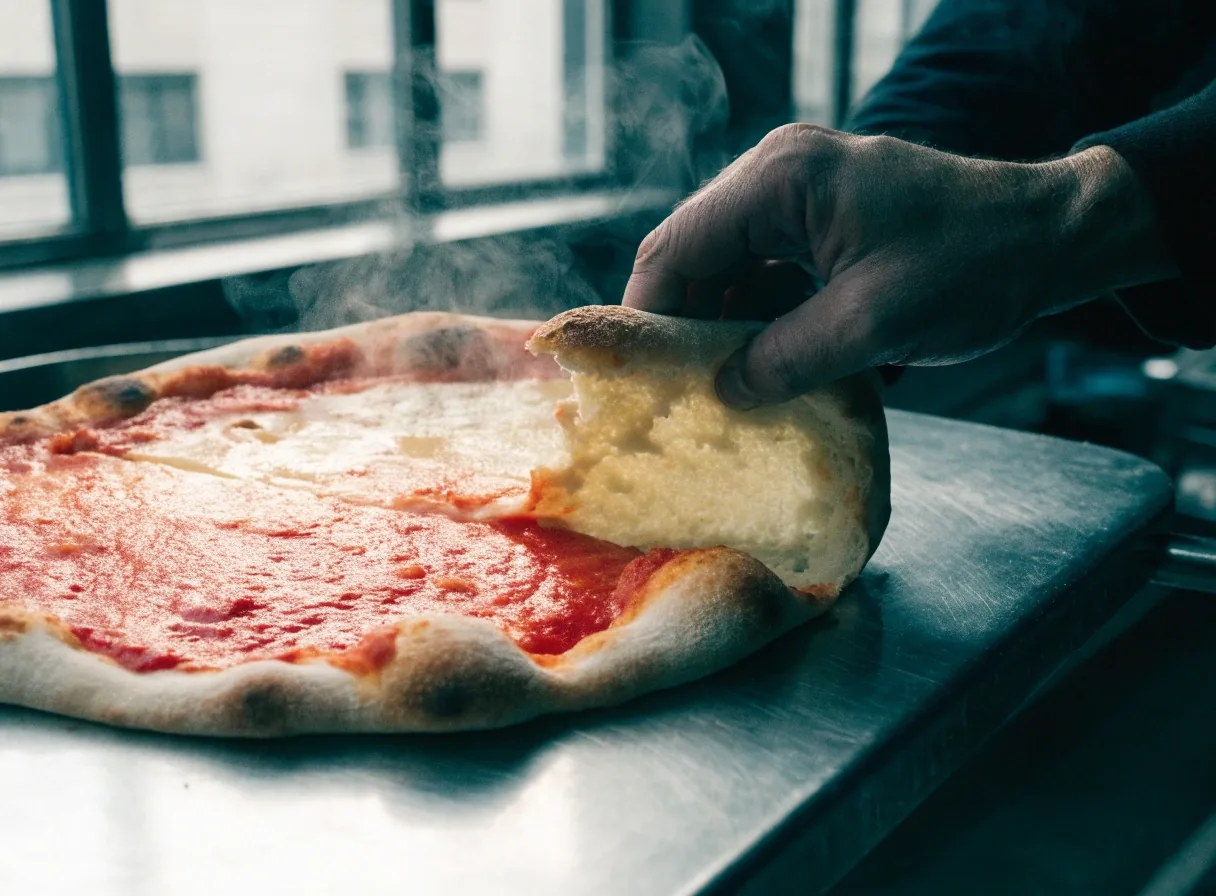
New York weeknight
Short ferment, hand-stretched, ready in a few hours.
A drawer of regional pies, filed by hand — pull one and bake tonight.
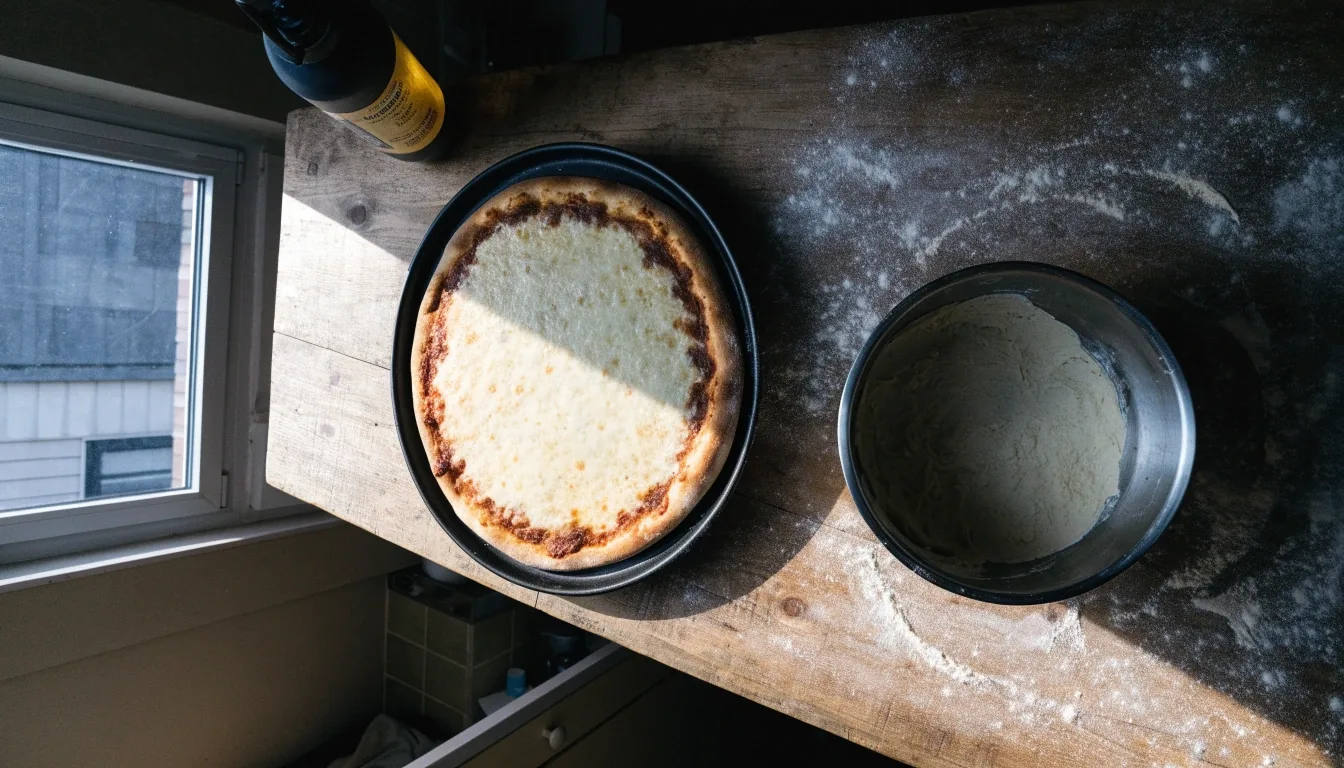
See also the recipe collection and the pizza styles guide for the full spread of regional pies.
Neapolitan
Hot bake, soft cornicione
New York
Long cold ferment
Detroit
Oiled pan, lacy edge
Roman
Sheet pan, crisp base
Dion's Pizza is built around one idea: a home oven, a bowl of dough, and a recipe collection that covers the pies people actually want to make. The book gathers styles from Naples to Detroit, plus the dough notes, hydration ranges, and bake temperatures that hold a recipe together.
If you have ever pulled a pale, gummy crust from your own kitchen and wondered what went wrong, this collection starts there. You can browse the recipe range, read how the book is organized, or go straight to the buying details.
The cookbook moves through regional pizza the way a baker would actually cook it: start with a dough formula, then choose a shape, a pan, and a bake. Neapolitan gets a fast, hot bake and a soft cornicione. New York-style leans on a longer cold ferment and a foldable slice. Detroit and Sicilian want an oiled pan and a crisp, lacy edge.
Each style in the book comes with its own hydration, proofing window, and topping logic, so you are not guessing whether a dough belongs on a stone or in a pan.
See also the pizza styles guide for a side-by-side comparison of every region.
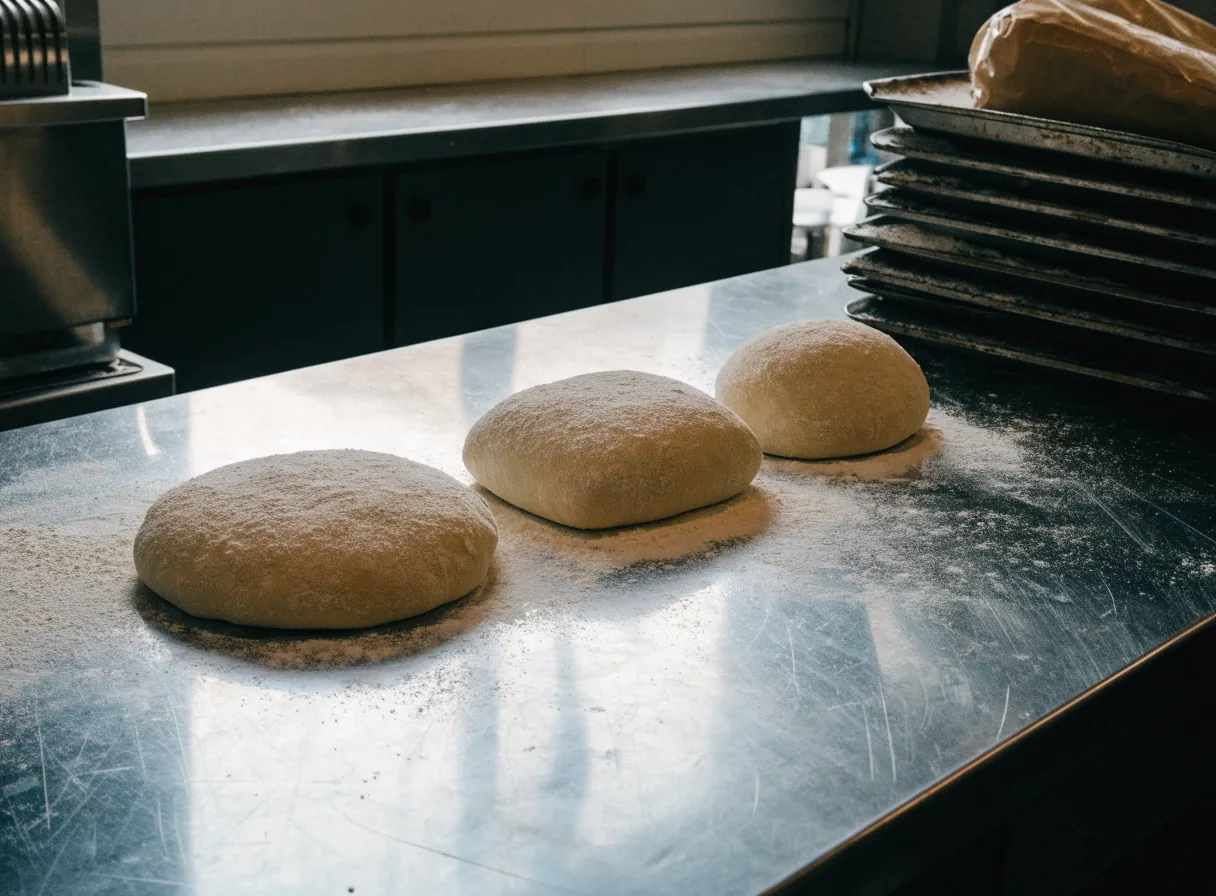
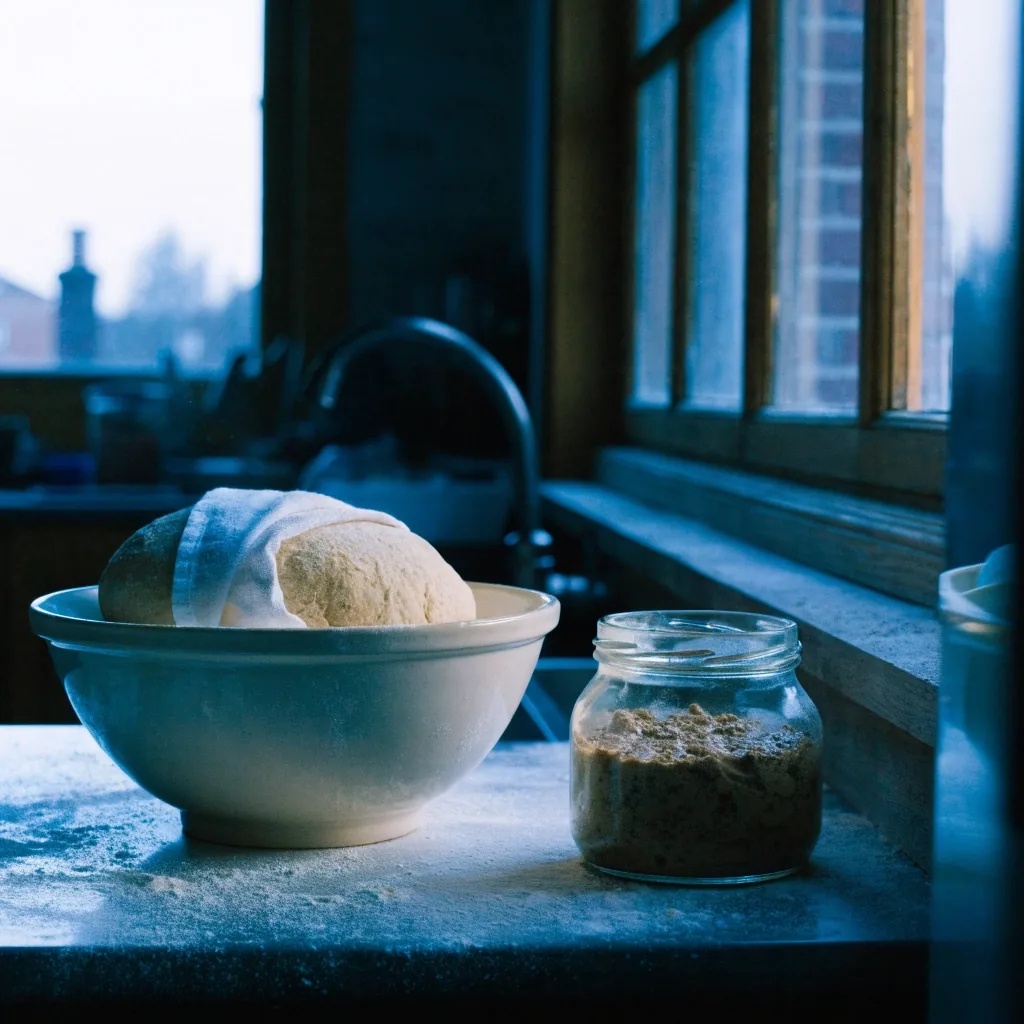
Toppings get the photos, but dough decides whether a pizza works. The book spends real space on fermentation time, hydration percentage, poolish and biga pre-ferments, and what a sourdough starter does to flavor over a 24-hour rise.
There is a section on high-heat baking for people with a stone or steel, and a parallel path for standard home ovens that top out around 500°F. That second path matters, because most readers are not cooking in a wood-fired dome.
Read dough and baking basicsNot every pie needs two days of planning. The collection includes short-ferment doughs for nights when you want pizza in a few hours, alongside long-ferment formulas for weekends. Some recipes are built for one sheet pan and a crowd. Others are single 12-inch pies you can stretch by hand. There are meat-topped standards, vegetarian options, and a few sweet or dessert-leaning ideas for people who like to finish a meal with dough.
Short ferment, hand-stretched, ready in a few hours.
One pan, a big table, an oiled edge that crisps.
Roasted vegetables on a fast-risen dough.
A day or more in the fridge for deeper flavor.
Pepperoni, sausage, and the layering that keeps them from steaming.
Dough-based finishes for readers who end on something sweet.
Small-batch formulas for one or two people at the counter.
Poolish and biga for readers ready to add a step.
Because the book groups pizza by region, it is easy to see how the same flour and water turn into very different results. A Chicago deep-dish, a New Haven white pie, a St. Louis cracker crust, and a Roman-style sheet pizza all get their own treatment.
Putting them next to each other helps you understand why one dough is wet and slack and another is stiff and rollable. That comparison is the part readers tend to come back to.
See also the regional styles guide for the full cross-reference.
Compare pizza styles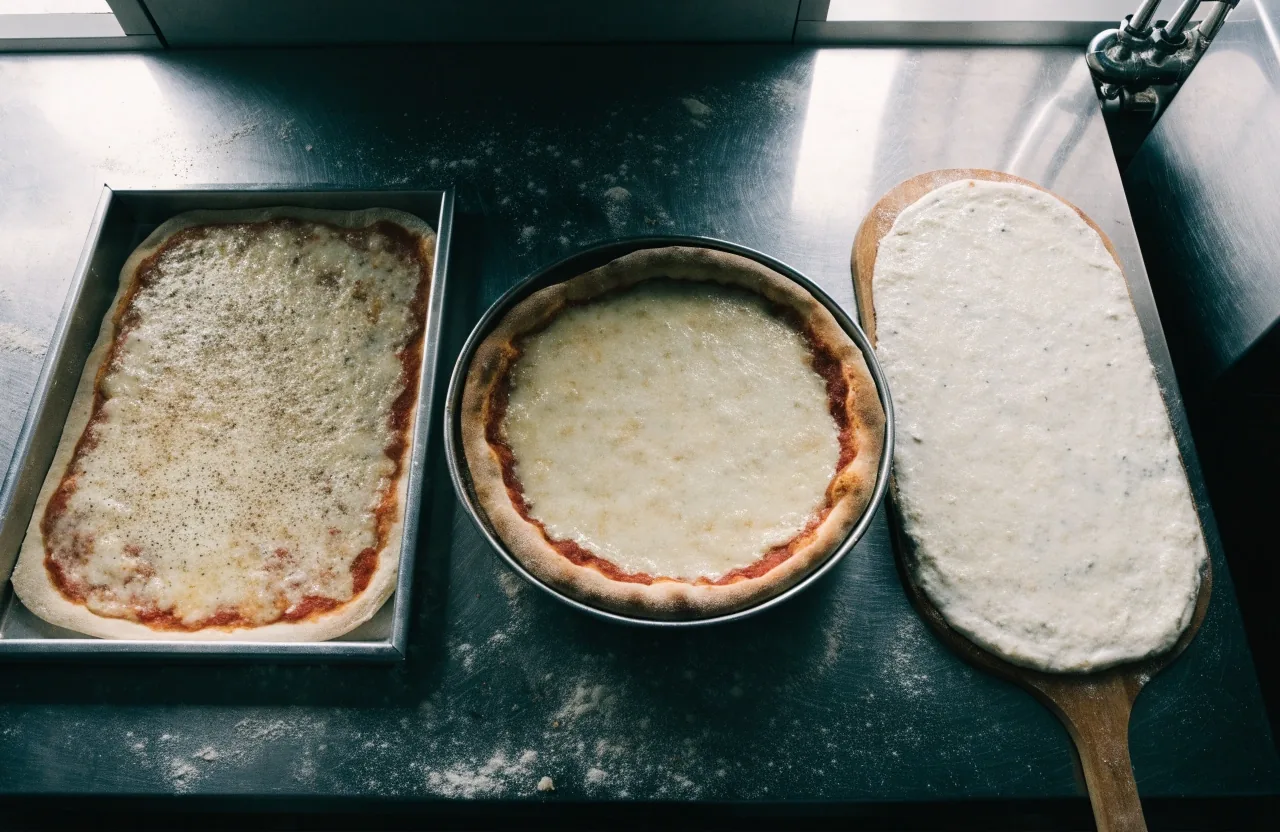
If you have never made dough before, the opening chapters assume nothing. You get equipment notes, flour guidance, and a first recipe that is hard to ruin. The book does not ask you to buy an outdoor oven on day one.
A stone, a steel, or even an upside-down sheet pan can carry you through the early recipes. From there, you can add pre-ferments, higher hydration, and specialty flours as your confidence grows.
Pick one style, make it twice, and change one variable the second time. That is the fastest way to learn what hydration and ferment time do to your crust. The book is arranged to support exactly that kind of repeat cooking, which is why the dough chapters come before the regional recipes.
Start with a New York-style or a simple pan pizza, then work outward.
Readers today have real choices. Here is how the collections compare on range and approach, so you can decide what suits your shelf.
Style range plus the dough fundamentals underneath it.
Nearly 50 recipes from 40 World Pizza Champions, with QR video tutorials.
Tony Gemignani's guide to nine regional styles.
King Arthur Baking Company, 2026, leaning on reliable baking-brand dough formulas.
Over 75 pizza recipes plus 20 outdoor recipes from restaurant chefs.
See also the cookbook page for how Dion's Pizza is organized chapter by chapter.
This landing site is the front door to the book, not the book itself. You can preview the recipe collection by style, read a plain-language guide to dough and fermentation, and see what is inside each chapter.
The About page explains who wrote the collection and why. When you are ready, the buying path and bulk-order options are on the cookbook page. No account is required to read any of it.
The cookbook is sold as a physical edition, and orders are handled through invoice or bank transfer, with pickup available if you are local to Chicago. There is no online card checkout on this site. If you want several copies for a class, a shop, or a gift, the contact page has a route for bulk requests. Press and review inquiries go through the same form.
What holds up over time matters here too. Trends in home pizza come and go, but fermentation, flour choice, and bake temperature do not. The recipes are written so that a reader who bought the book years ago can still use it after upgrading an oven or switching flours. Measurements are given in weights, not just cups, which makes that kind of adjustment possible.
The team works out of 1290 Dough Street, Chicago, IL 60607. Pickup is arranged by message first so someone is there to meet you.
Questions about a specific recipe, a dough problem, or an order status all go to the same inbox, and replies come from a person, not an automated system.
Contact the teamBetween the regional styles, the weeknight formulas, and the longer weekend projects, there is a pie here for most moods. That breadth is the point. You are not buying a single trick; you are buying a set of dough skills that apply across dozens of recipes.
The recipe collection page shows the spread, and the pizza styles guide explains how each one differs.
Yes. The opening chapters cover equipment, flour, and a first dough that is forgiving, and you do not need a wood-fired oven to start.
Most recipes include a home-oven path alongside high-heat instructions, so a stone, a steel, or a sheet pan is enough to begin.
It depends on the recipe. Some formulas are ready in a few hours, while others use a cold ferment of a day or more for more flavor.
Orders are handled by invoice or bank transfer, and local pickup in Chicago is available. There is no online card checkout on this site.
Ready to start with one style and one dough?