
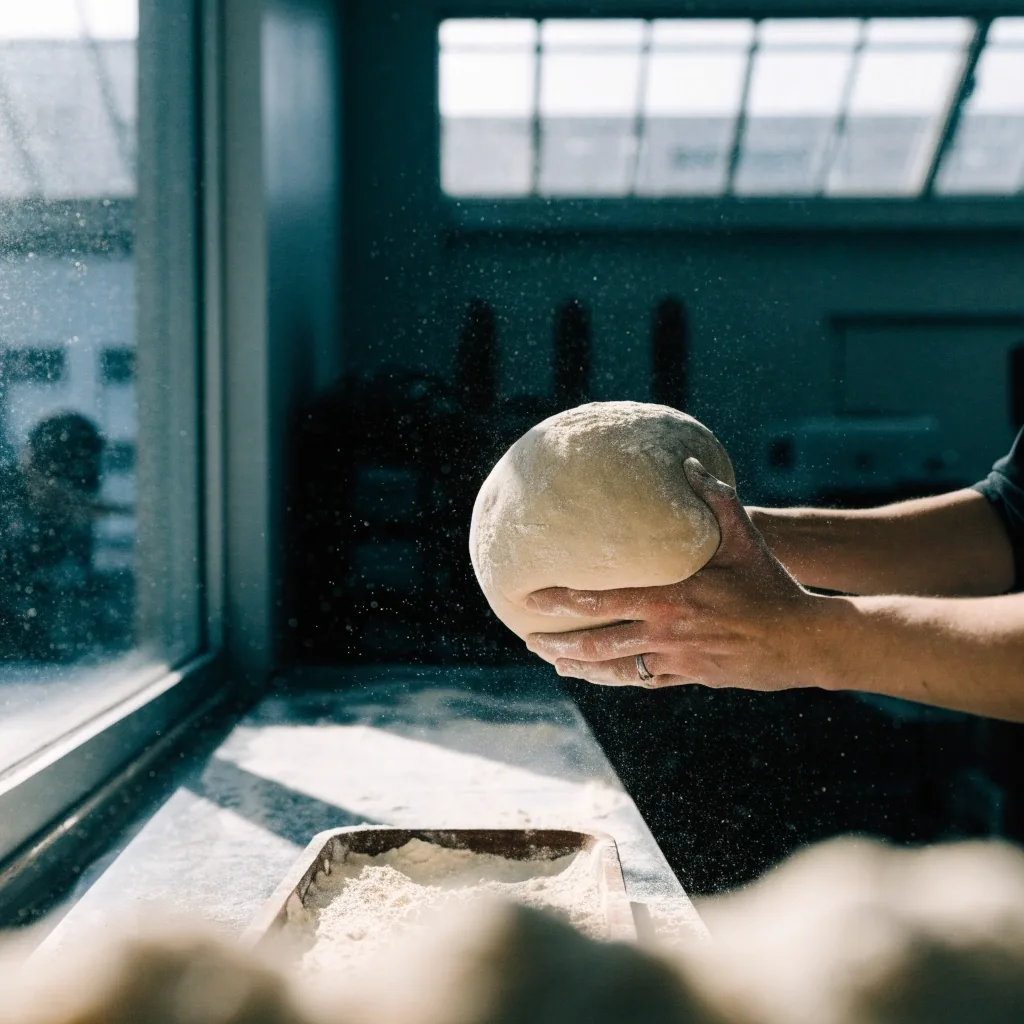
Dion's Pizza — notes kept from a home kitchen on Dough Street
About the author behind Dion's Pizza
A cookbook built from years of home baking, restaurant research, and a stubborn interest in why some doughs work and others do not.
Chicago deep-dish
home ground, tested here
Tavern thin
the local bar pie
Neapolitan
high heat, short proof
New York slice
long ferment, foldable
How the collection started
The book began as notes. Recipes made at home, adjusted over and over, written down so they could be repeated. Over time those notes grew into a full set of regional styles, each with its own dough and bake. The goal was never to write the last word on pizza. It was to write down what actually worked in a home kitchen, with the reasoning included.
That reasoning is what separates this collection from a stack of clipped recipes. Every entry explains why a dough rests as long as it does, why one style wants a hotter stone than another, and where a home oven simply cannot match a commercial deck. When you understand the why, you can adapt a recipe to your own kitchen instead of following it on faith.

See also: the Dough & Baking Basics page for the fermentation notes behind these cards.
A Chicago home base
The team works out of 1290 Dough Street in Chicago, IL 60607. That location matters to the book: Chicago deep-dish and tavern-style thin crust are local subjects, not tourist curiosities, and they are treated with the same care as Neapolitan or New York-style. Living where people argue about pizza for fun tends to sharpen your recipes.
A city that takes its own pie seriously is a useful place to test one. Deep-dish demands a specific fat-to-flour ratio and a long, cool rest so the crust holds a heavy fill without going soggy. Tavern-style wants a thin, cracker-crisp base cut into squares. Both are unforgiving of shortcuts, which makes them honest teachers.
Chicago deep-dish
A crust strong enough to carry the fill, not just survive it
Tavern-style thin crust
A rolled, cracker-crisp base cut into squares, the bar pie of the Midwest
The neighborhood pie
Where the city agrees on the fundamentals, and where it does not
The point of view
The book assumes that dough is the interesting part. Toppings are easy to swap; a crust that is under-fermented or over-hydrated is not something you can fix at the end. So the recipes lead with fermentation, hydration, and bake temperature, and let the toppings follow. That is a deliberate choice, and it shapes how the whole collection is organized.
In practice that means every entry opens with a timeline before it lists ingredients: how long the dough sits, at what temperature, and what the baker should be looking for at each stage. Only then does the pie get its toppings. Read the collection in that order and the recipes stop feeling like separate dishes and start reading like one method applied to many regional shapes.
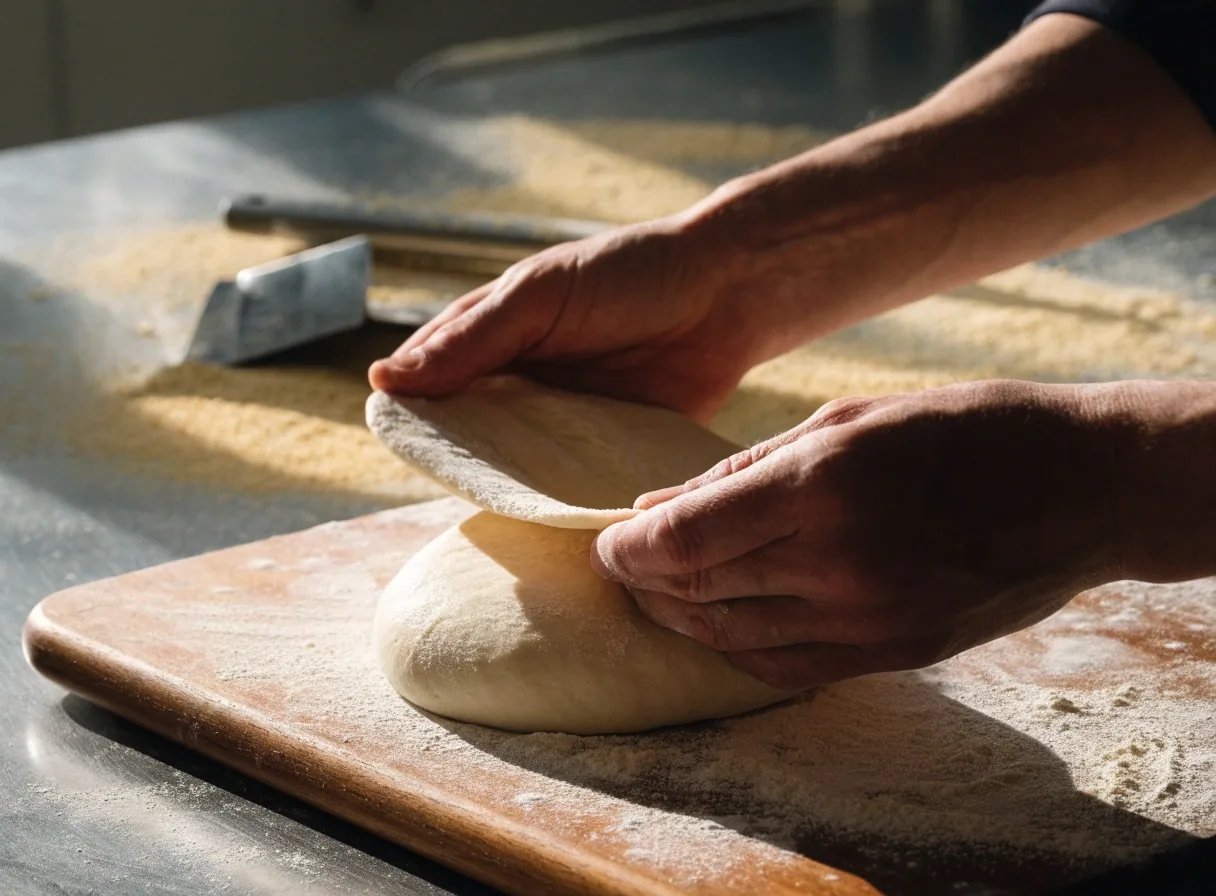
See also: dough basics for the hydration ranges these recipes assume.
What the author reads and compares
The collection was written with an eye on the wider pizza shelf. Knowing what other books do well — and where they leave a gap — is part of building a collection that earns its place.
The Pizza Bible
Tony Gemignani's book covers nine regional styles and is a reference point for anyone serious about style differences.
Pizza
Coauthored by Gemignani and Diane Morgan, this one mixes classic and creative recipes rather than drilling one lane.
The Pursuit of Pizza
Nearly 50 recipes gathered from 40 World Pizza Champions, with QR video tutorials alongside the printed steps.
The Book of Pizza
From King Arthur Baking Company in 2026, this one leans on dependable dough formulas and reliable everyday bakes.
Pizza Volume 01
Gozney's volume brings over 75 pizza recipes and 20 outdoor recipes drawn from restaurant chefs.
Where Dion's fits
Dion's Pizza reads that shelf and tries to add something useful: a dough-first path through the styles, so you can move from one regional crust to another without starting over.
Who this book is for
It is for home bakers who want to understand what they are doing, not just follow steps. Some readers will already bake bread. Others are buying their first pizza stone. Both are welcome. The book does not assume a wood-fired oven, a stand mixer, or years of practice.
If you have a home oven and a baking steel or stone, you already have enough to start. Each recipe notes which steps need an overnight rest and which can be done the same day, so the collection works around a normal week rather than demanding one.
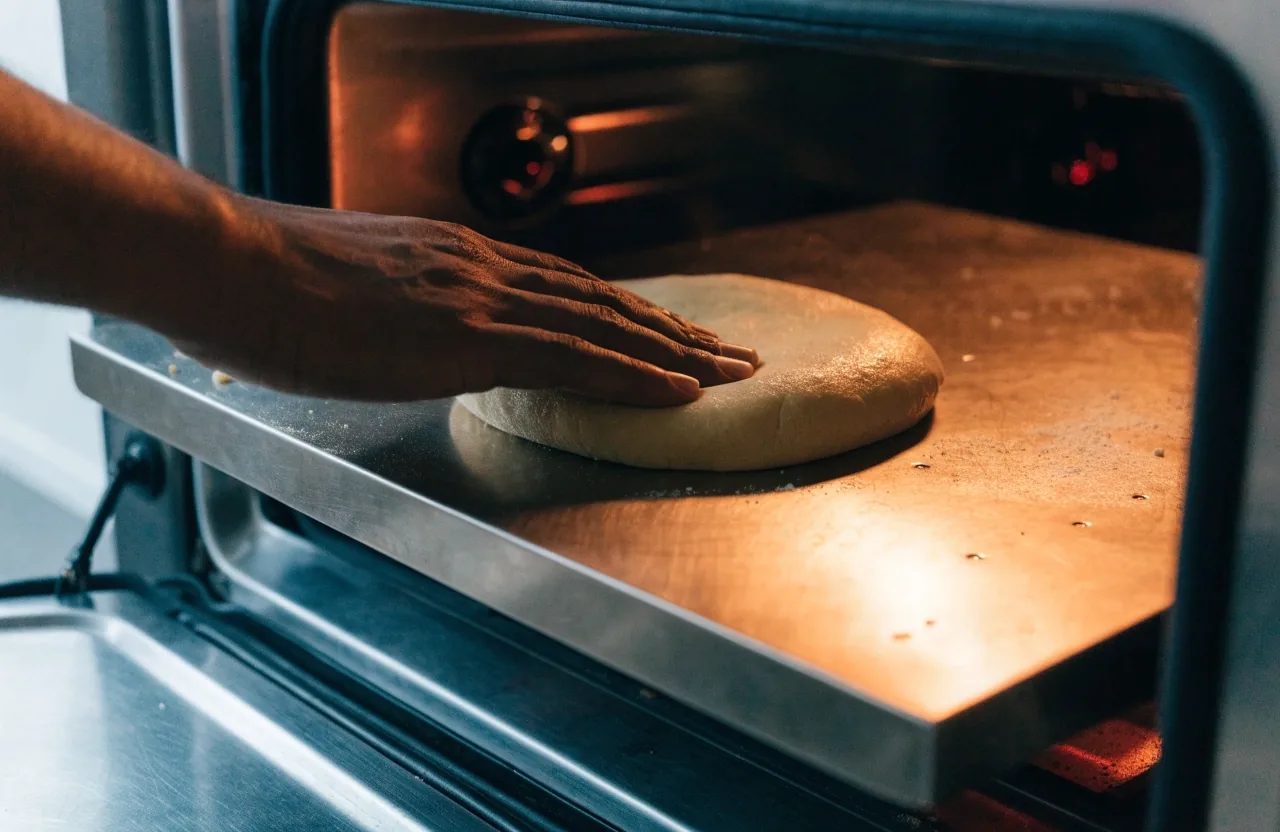
What the author will not do
No shortcuts that break a recipe. No promises that a home oven will match a restaurant. No filler chapters that pad the page count. If a style is hard without high heat, the book says so and offers the best home alternative instead of pretending the gap does not exist. That honesty is part of the point.
Where a method depends on equipment most kitchens lack, the entry names the limit up front and gives the closest honest substitute — a longer preheat, a steel instead of a stone, or a different shaping method — so you know what you are trading before you start.
Beyond the book
The site exists to support the cookbook: recipe previews, a style guide, and dough basics for readers who want a head start. Questions, bulk orders, and press requests all go through the contact page. The team answers them directly.
Start with the dough
If you want the full collection in one place — the regional styles, the fermentation timelines, and the bake notes for a home oven — the cookbook page has the details. Questions go to the team at 1290 Dough Street, Chicago, IL 60607.
Office hours: Monday–Friday 9:00 AM – 6:00 PM, Saturday 10:00 AM – 4:00 PM. Closed Sunday.