
How Regional Pizza Styles Differ
Dough, pan, heat, and toppings decide everything. Here is how the main styles in the Dion's Pizza cookbook sit side by side, so you can choose what to bake first.
What actually changes between styles
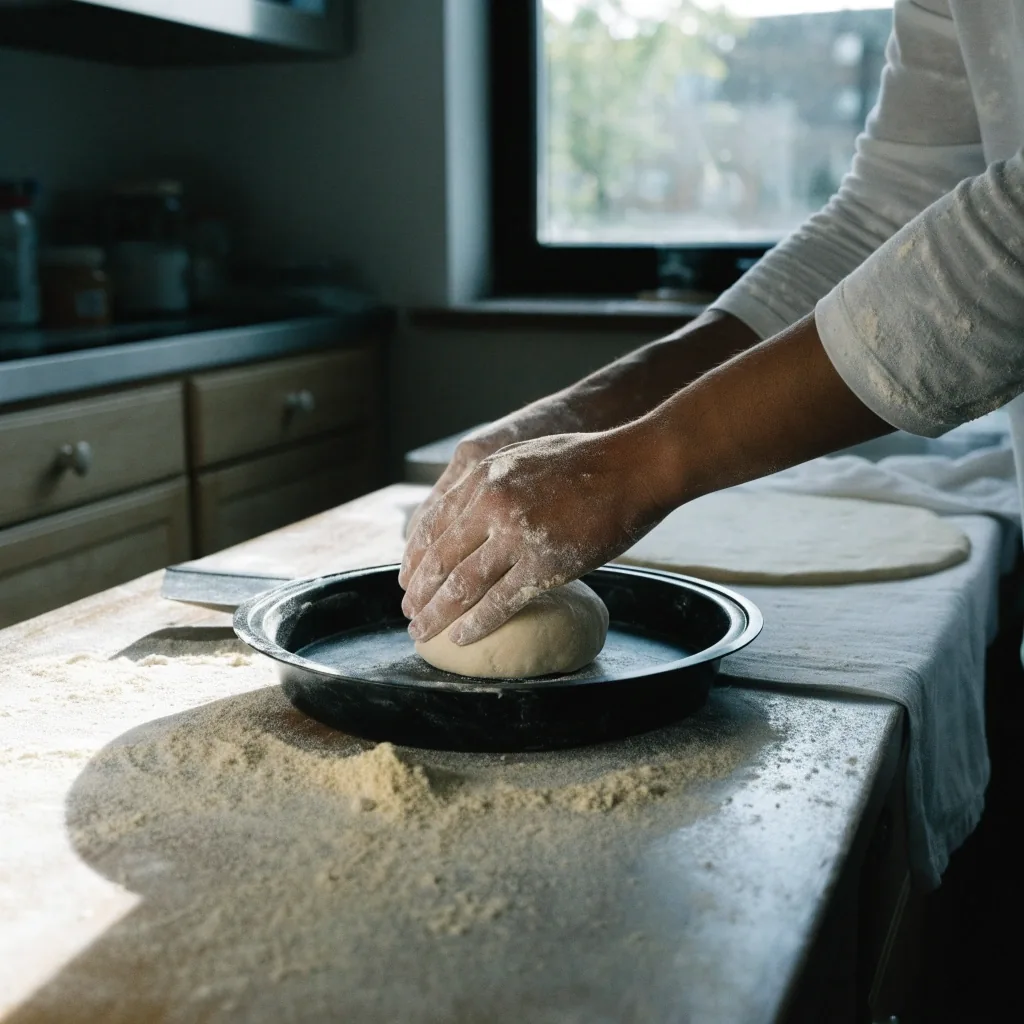
Four variables do most of the work: hydration, fermentation time, the surface the dough bakes on, and the bake temperature. Change those and the same flour and water produce a foldable slice, a cracker crust, or a thick square. Toppings matter, but they follow the dough, not the other way around. Once you see the pattern, the style names stop being confusing.
Read every style below with those four in mind and you will start predicting the result before you preheat anything. The comparisons are drawn from the regional chapters of the Dion's Pizza cookbook, so the numbers and techniques match the recipes you will actually bake.
- Hydration
- Higher water gives an open, airy crumb; lower water gives a stiffer, snappier dough.
- Fermentation
- A long cold rest builds flavor; a short warm rest gets you baking sooner.
- Baking surface
- Steel, stone, and pans move heat differently and set the crust's texture.
- Bake temperature
- Very hot bakes blister fast; moderate bakes crisp slowly and evenly.
Neapolitan
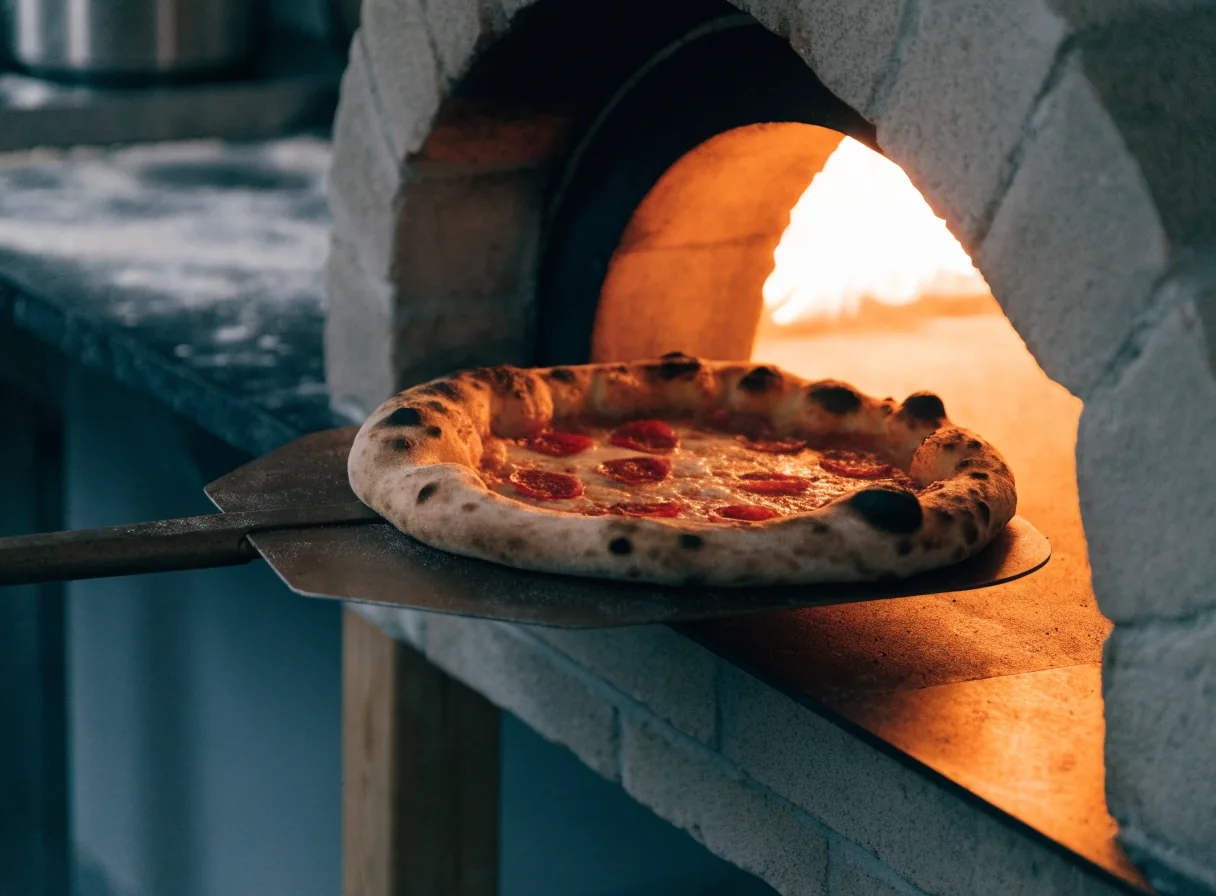
Neapolitan uses high hydration, a relatively short ferment, and a very hot bake. The result is a soft, blistered cornicione and a center that stays tender. It is the hardest style to reproduce without high heat, which is why the book includes a home-oven approach using a steel and a broiler. If your oven tops out at 500°F, expect a good pie rather than a perfect one.
See also: the New York-style entry below for a thin crust that forgives a cooler oven.
New York-style
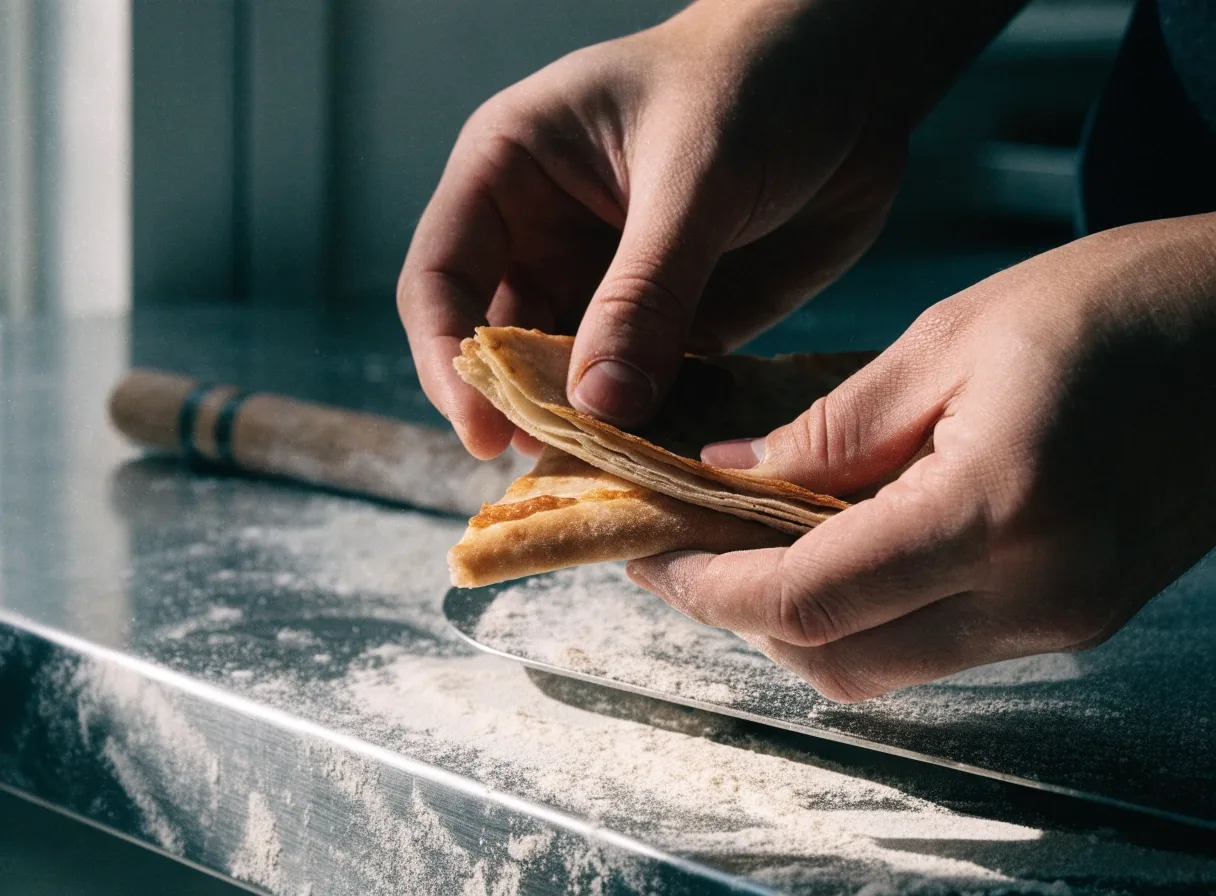
New York-style sits in the middle on hydration and uses a longer cold ferment for flavor. It bakes on a stone or steel at a moderate high heat and comes out thin, crisp, and foldable. It is the most forgiving of the thin styles, which makes it a sensible first project.
See also: Detroit below if you would rather let the pan do the work.
Chicago deep-dish
Chicago deep-dish uses a richer dough with some fa and sugar, pressed into a deep pan rather than stretched. It bakes longer and lower than a thin pie, and the toppings go in layers, often with cheese first. The crust is thick and slightly biscuit-like. It is a style you either love or find too heavy, but it is worth making once properly.
See also: Sicilian for a pan pizza with a lighter, breadier crumb.
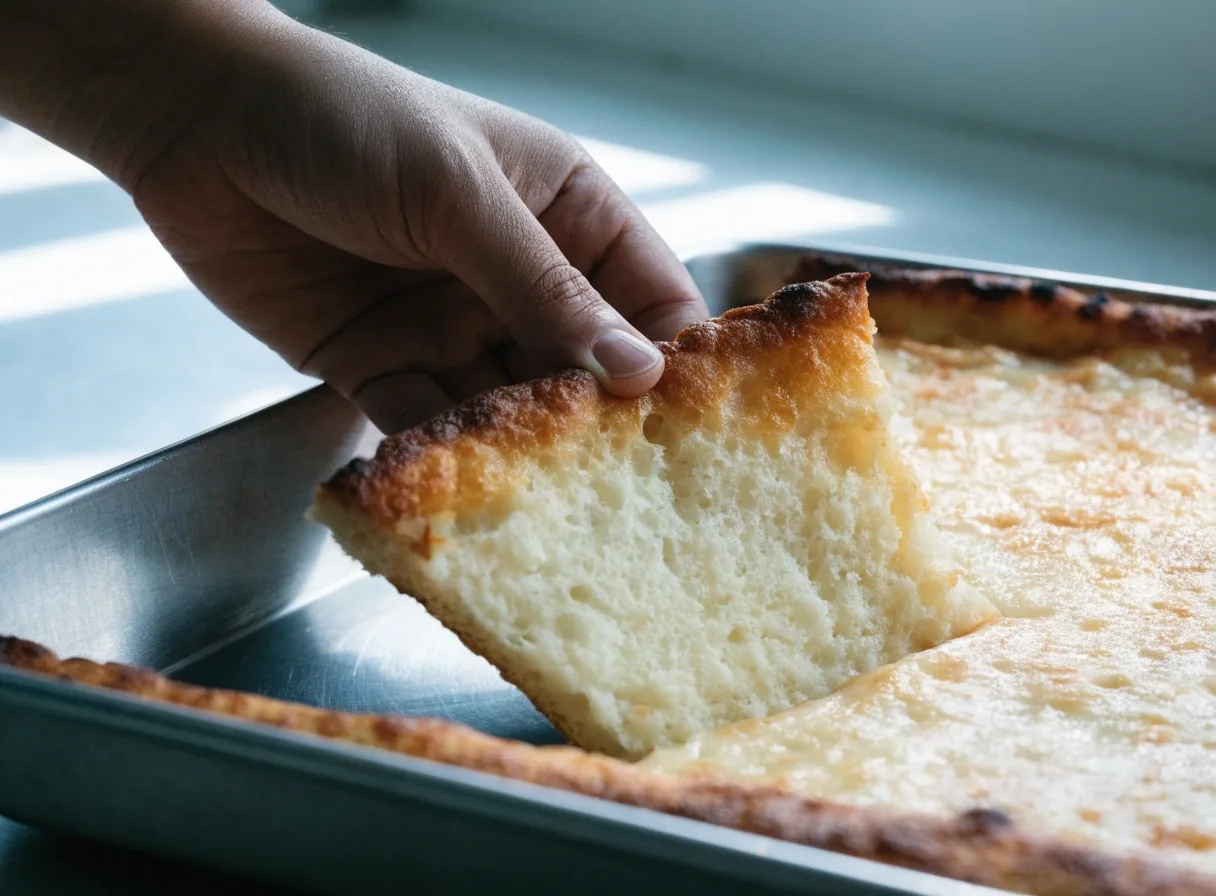
Detroit
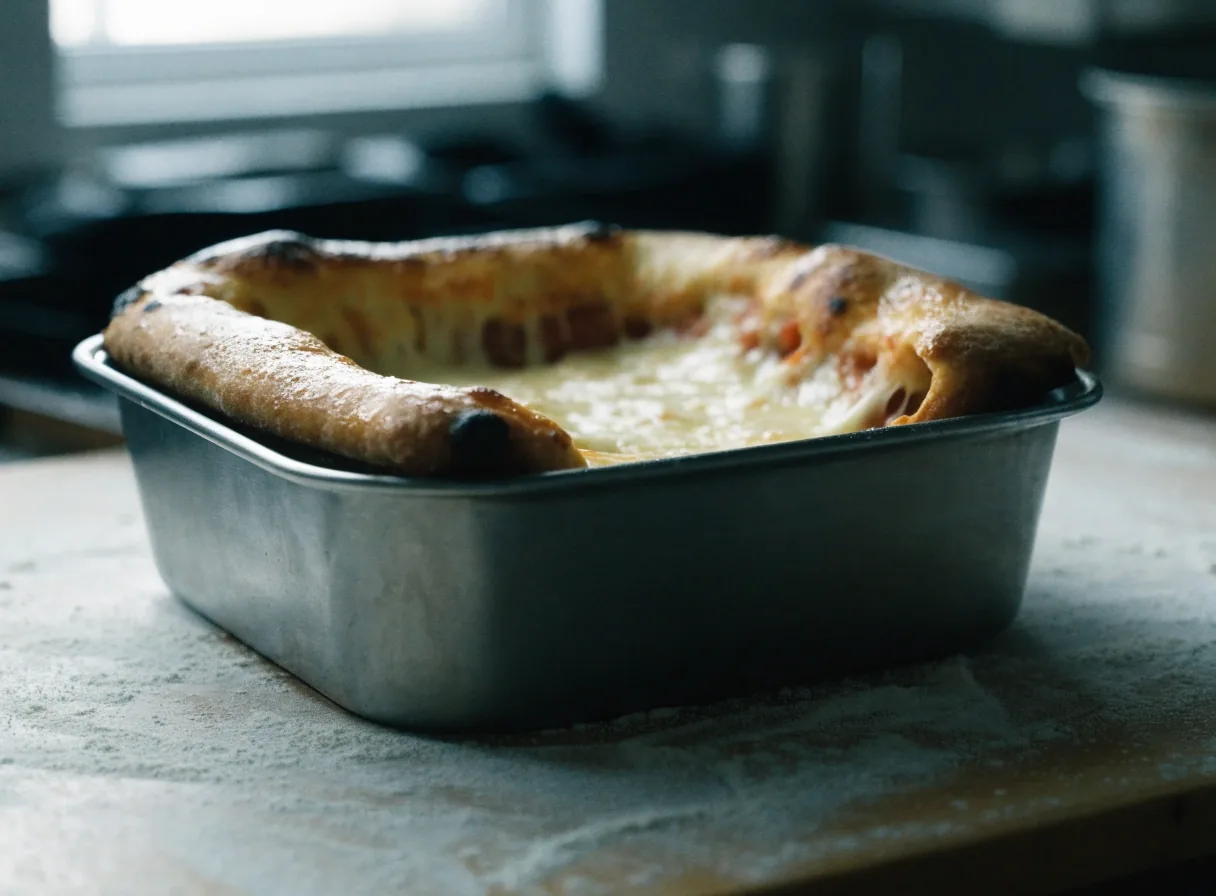
Detroit-style is a pan pizza with a focus on the edges. The dough proofs in an oiled rectangular pan, cheese goes all the way to the rim, and the bake creates a crisp, caramelized border. The interior stays airy. It is one of the more reliable styles for home cooks because the pan does a lot of the work.
See also: Roman-style sheet pizza for par-baking ahead of a crowd.
Sicilian, New Haven, St. Louis, Roman, and Californian
Five more styles round out the regional chapters, and each one teaches a different lesson about dough handling.
- Sicilian
Sicilian is also a pan style, usually thicker and a bit more bread-like than Detroit, with a tomato-forward top. It bakes in a rectangular pan and cuts into squares. Timing is forgiving, which makes it a good choice if you are cooking for a group and do not want to hover over the oven.
- New Haven
New Haven-style is a thin, charred crust, often served as a white pie without tomato sauce. The signature version uses clams, garlic, and oil. The dough is chewy and the bake is hot, so the edges blacken in spots. It is a good style for readers who want something different from the standard red pie.
- St. Louis
St. Louis-style uses a very thin, cracker-like crust and a processed cheese that melts evenly. It is baked on a flat surface and cut into squares. The dough is stiff and easy to handle, which makes it approachable for beginners, even if the result is unusual to anyone who has only eaten New York or Neapolitan.
- Roman-style sheet pizza
Roman-style is baked in a rectangular pan, often par-baked first, and sold by the slice. The dough is high-hydration and the crumb is airy with a crisp base. Because you can par-bake and finish later, it is a practical style for entertaining.
- Californian
Californian pizza is less about a fixed dough and more about seasonal toppings and a lighter hand. It often uses a medium-thickness crust and fresh ingredients added after or near the end of the bake. It is the most flexible style in the book, which is either liberating or frustrating depending on how you like to cook.
How to pick your first style
Match the style to your equipment and your time. A steel and a hot oven point to Neapolitan or New York-style. A rectangular pan and a free afternoon point to Detroit or Sicilian. If you want something quick, go New York-style. If you want a project, go Chicago deep-dish.
See also: the dough and baking basics guide if you want the technique before the style.
-
1
Check your heat
Measure the highest temperature your oven reaches, and note whether you own a steel or a stone. That single fact rules several styles in or out before you touch the flour.
-
2
Count your hours
A cold ferment can run overnight or stretch across two days. If you are baking tonight, choose a style whose dough rests short and behaves in a home oven.
-
3
Pick your pan
If you have a rectangular steel pan, the pan styles open up immediately. If you only have a stone, stay with the thin styles and skip the deep dishes for now.
-
4
Bake one, then compare
Make a single pie from one region, then try the neighboring style on your next bake. Tasting them a week apart is the fastest way to learn what each dough is doing.
Comparing the styles at a glance
The four variables from the top of this page, applied style by style. Use it to shortlist two candidates, then read the full chapter in the cookbook before you shop for ingredients.
| Style | Hydration | Fermentation | Bakes on | Heat |
|---|---|---|---|---|
| Neapolitan | High | Short | Stone or steel | Very hot |
| New York-style | Medium | Long, cold | Stone or steel | Moderate high |
| Chicago deep-dish | Medium | Moderate | Deep pan | Lower, longer |
| Detroit | Medium high | Oiled pan proof | Rectangular steel pan | Moderate high |
| Sicilian | Medium | Moderate | Rectangular pan | Moderate |
| New Haven | Medium | Moderate | Stone or steel | Hot |
| St. Louis | Low | Short | Flat surface | Moderate |
| Roman-style sheet | High | Long | Rectangular pan | Moderate |
| Californian | Medium | Varies | Stone or steel | Moderate |
See also: the full step-by-step method for each style lives in its cookbook chapter, not in this table.
Questions before you bake
Common questions about regional pizza styles and how they are covered in the book.
Still deciding? Read the dough and baking basics, then come back to this page.
Which style is easiest for a home oven?
New York-style is the most forgiving of the thin styles and works on a stone or steel at a moderate high heat. Detroit is the easiest pan style because the pan controls the shape and the edge.
Do I need a special oven for Neapolitan?
You do not need a wood-fired oven, but very high heat is what Neapolitan was built around. The book's home-oven approach uses a steel and a broiler, and it says plainly that a home oven will give a good pie rather than a perfect one.
What is the difference between Sicilian and Detroit?
Both bake in rectangular pans. Sicilian is usually thicker and more bread-like with a tomato-forward top, while Detroit concentrates on a crisp, caramelized cheese edge with an airy interior.
Which styles use a long cold ferment?
New York-style leans on a long cold ferment for flavor, and Roman-style sheet pizza also benefits from a slow rest because the dough is high-hydration. The pan styles are more flexible on timing.
Can I bake Californian and New Haven from the same dough?
They are close enough that one medium-hydration dough can carry both, though the bake and the toppings differ a lot. New Haven wants a hot, charring bake; Californian wants a lighter hand and fresh toppings added late.
Where to go next
Pick a style, then follow it into the collection. The recipes page lists every pie in the book, and the cookbook page covers what is inside the book and how to use it. If you have a question that is not answered here, the contact page reaches the Dion's Pizza team directly.
The office is open Monday to Friday, 9:00 AM to 6:00 PM, and Saturday 10:00 AM to 4:00 PM. It is closed on Sunday.