
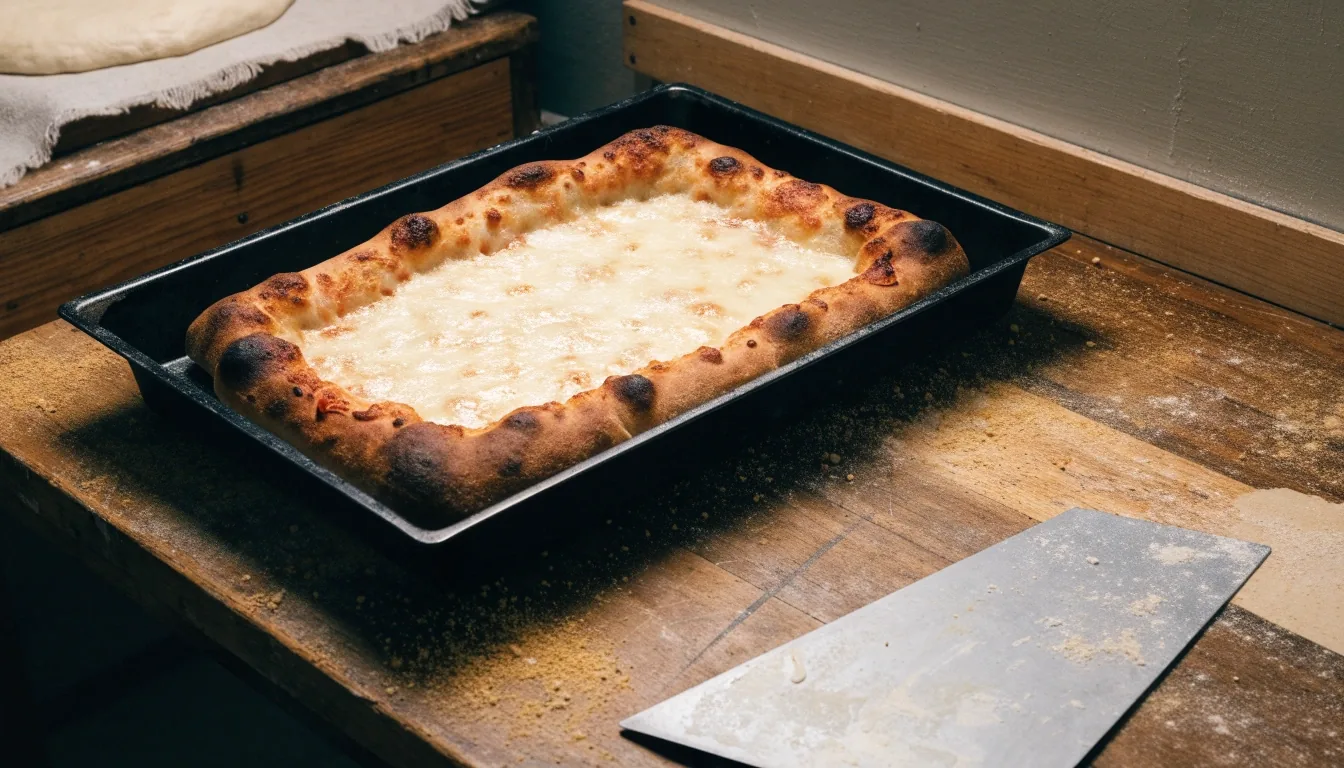
A Collection of Pizza Recipes by Style
See also: the pizza styles guide for how each regional dough behaves in a home oven.
Start where your oven is
The recipe collection spans regional classics and practical weeknight pies. Use this page to find the style you want to bake first, then follow the dough notes that go with it. Every recipe here is written for a home kitchen, with the same ingredients you already buy and timing that fits an ordinary evening.
Entries below are grouped by style and by occasion, so you can jump straight to a Neapolitan bake, a Detroit pan, or a Tuesday shortcut. If you are new to dough, the dough and baking basics page covers hydration, flour, and how to read a proof before you commit to a long ferment.
Every style in the drawer
These are the regional families and dough routines the book is built around. Each one is a full recipe with its own fermentation window and shaping notes.
Neapolitan
See also: the 60-second bake notes
Short ferment, wet dough, blistered cornicione.
New York-style
See also: cold ferment schedule
Long cold proof, crisp base, foldable slice.
Detroit
See also: the Sicilian pan method
Oiled steel pan, cheese to the edge, lacy crust.
Sicilian
See also: proofing in the pan
Forgiving on timing, thick and airy, feeds a table.
Chicago deep-dish
See also: pan release and layering
Buttery, slightly sweet dough baked long in a deep pan.
New Haven
See also: white pie toppings
No tomato sauce; clams, garlic, and a charred chew.
St. Louis
See also: cracker-thin shaping
Cracker base, processed cheese, cut into squares.
Roman-style sheet
See also: the par-bake method
High hydration, par-baked tray, sold by the slice.
Sourdough
See also: starter feeding schedule
Built on a live starter for a more complex crust.
Poolish and biga
See also: pre-ferment timing
Added flavor without a full sourdough routine.
Weeknight short ferment
See also: fast dough, simple toppings
Ready in a few hours, made for a Tuesday.
Sweet and dessert-leaning
See also: using up extra dough
A small set for finishing a meal or clearing the bench.
New York-style
See also: Neapolitan, for a hotter and faster bake on the same day.
This is the benchmark many American readers compare everything else against. It uses a longer cold ferment, a moderate hydration, and a bake that leaves the crust crisp but still foldable. The slice is the goal. If you have only made pan pizza before, this is a good next step, because it teaches you to stretch dough thin without tearing it.
Compare pizza styles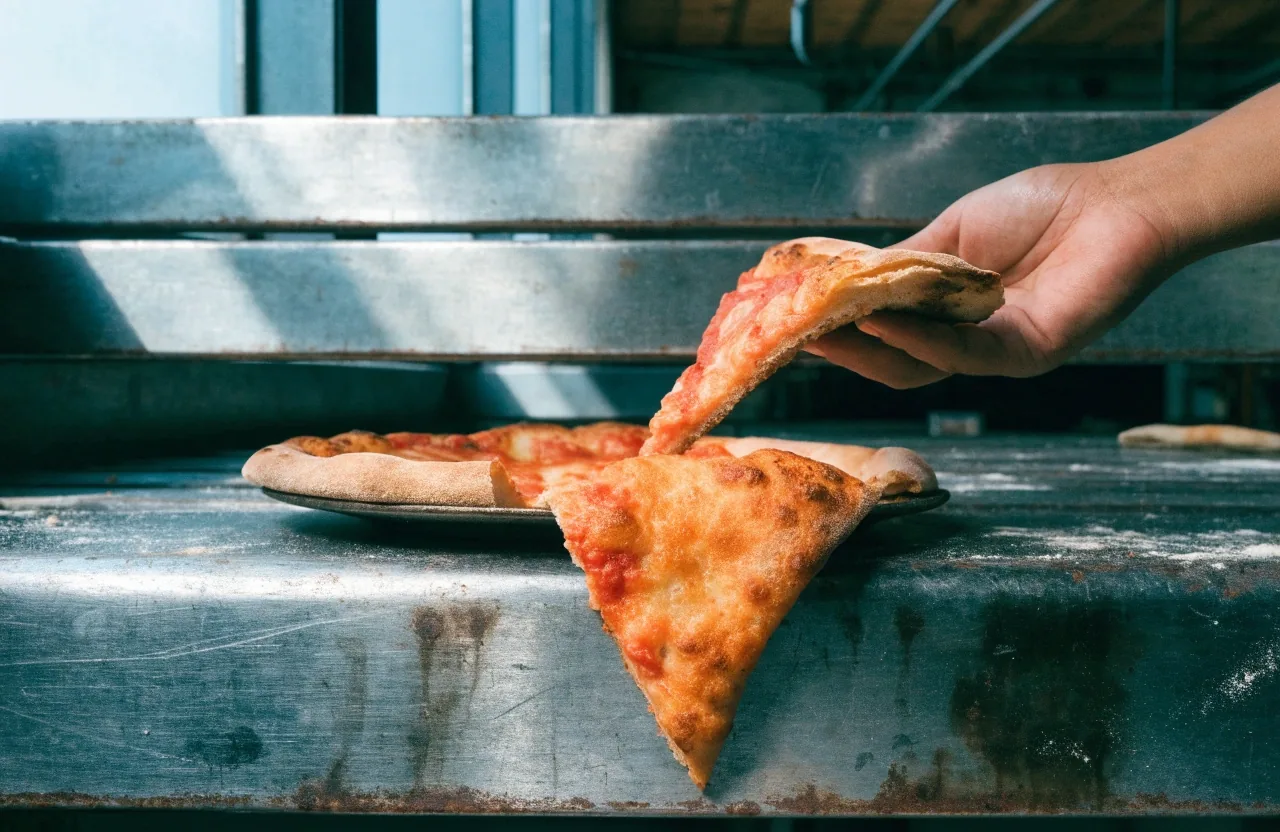
Neapolitan
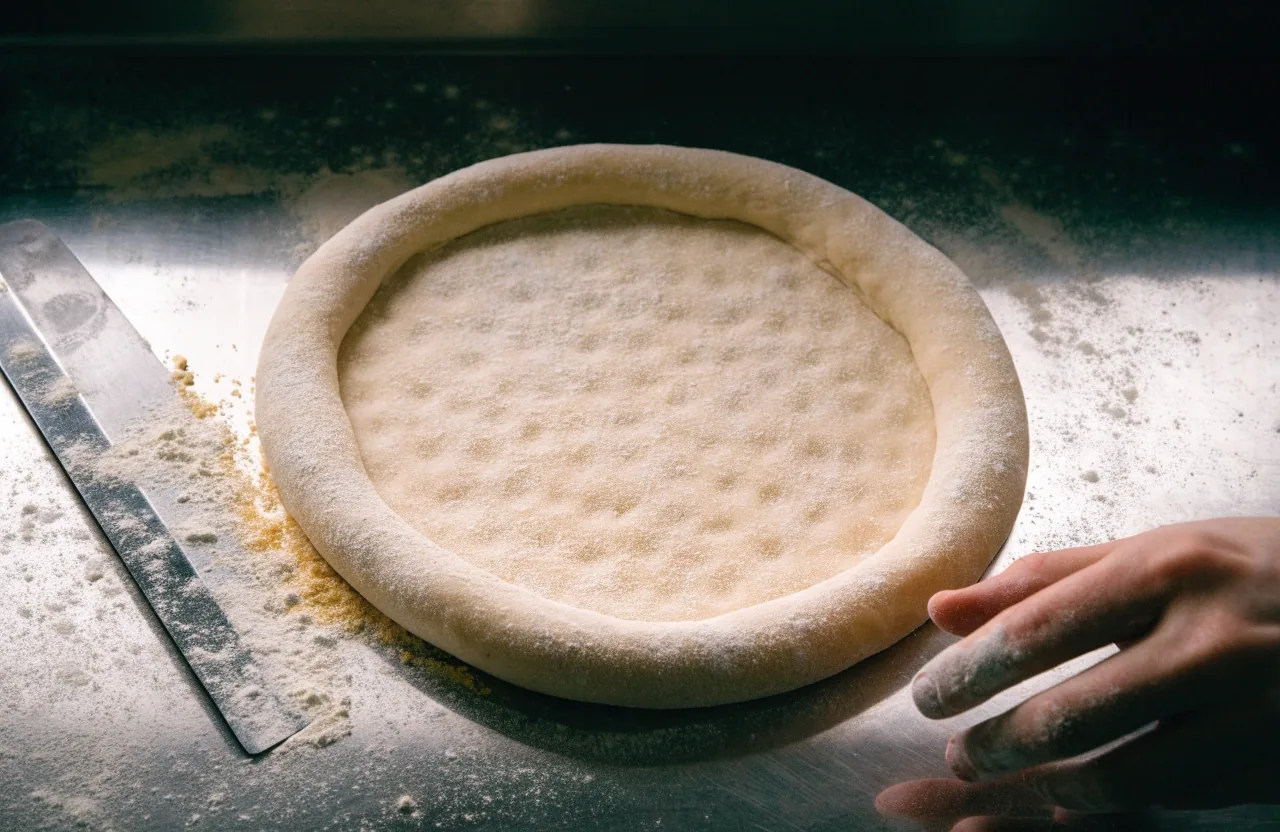
Neapolitan is the fast, hot style: a short ferment, a soft and airy cornicione, and a bake that finishes in about a minute in a very hot oven.
In a standard home oven you will not match a wood-fired dome, but you can get close with a steel and a preheated broiler. The dough is wetter than most beginners expect, which is exactly why it stretches so easily. Start here if you want to learn what high hydration feels like in your hands.
See also: the Roman-style sheet if a 60-second bake is not available in your kitchen.
Pan styles and regional surprises
The thicker, slower, and less-expected pies in the collection. Pan styles reward patience; the regional one-offs are for readers who are bored with the usual.
Detroit and Sicilian
Both are pan styles, and both reward patience.
Detroit
Cheese to the edge for a lacy crust, proofed in an oiled steel pan.
Sicilian
A little more forgiving on timing; thick, crisp-edged square.
Chicago deep-dish
A different animal: buttery, slightly sweet dough pressed deep and baked long enough to set.
New Haven
White pies that skip tomato sauce and lean on clams, garlic, and a charred chew.
St. Louis
A thin cracker-like base with a distinctive processed cheese, cut into squares.
Roman-style sheet pizza
Par-baked in a rectangular pan, crisp on the bottom and airy inside.
Longer doughs
Recipes that take time rather than skill. If you already bake bread, this part of the collection will feel familiar.
- See also: poolish and biga for flavor without a full sourdough routine.
- See also: the weeknight pies if you want a dough ready in a few hours.
- See also: dough and baking basics for hydration, flour, and proofing.
Sourdough, pre-ferments, and fast pies
Sourdough and pre-ferment recipes
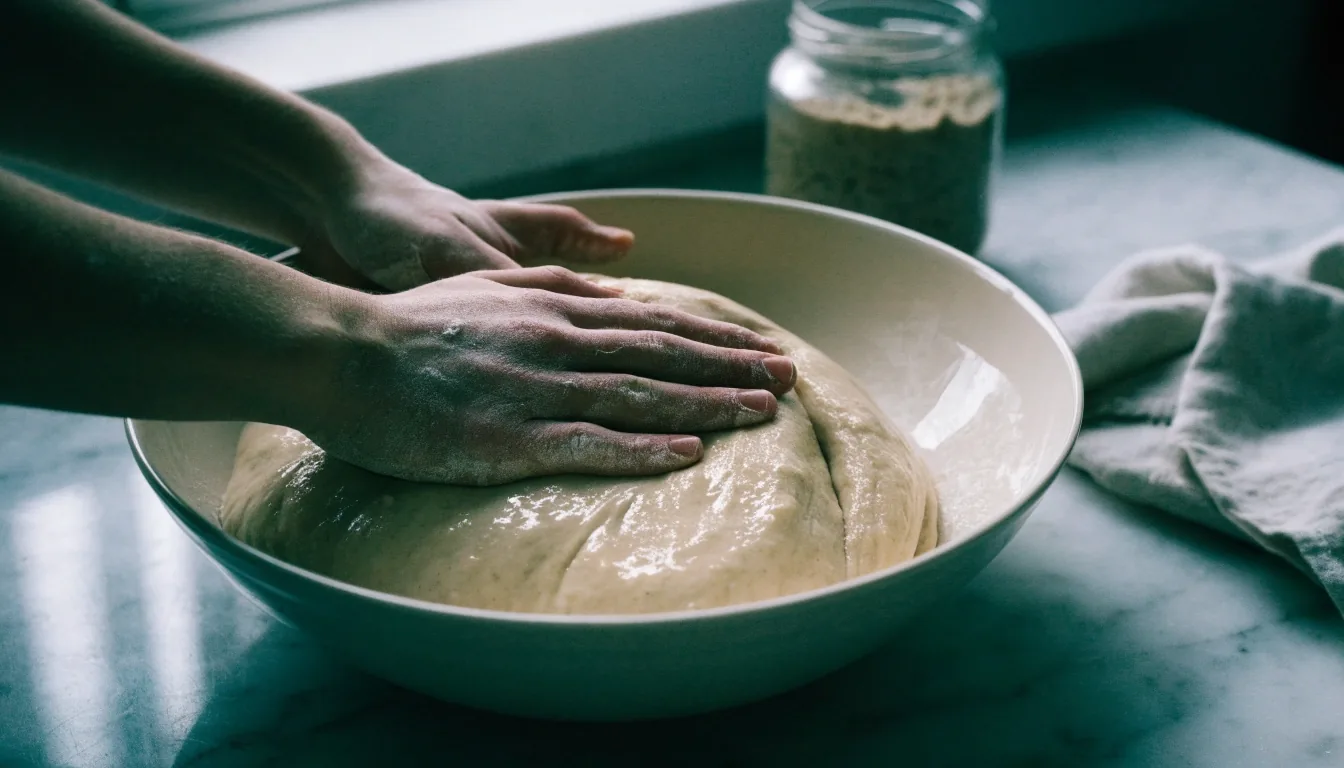
For readers who keep a starter, there are recipes built around sourdough leavening, plus formulas using poolish and biga for added flavor without a full sourdough routine. These take longer, and the payoff is a more complex crust. A poolish is simply a wet pre-ferment mixed the night before; a biga is the stiffer version. Either one changes how the crust browns and how long the flavor lasts.
Weeknight and short-ferment pies
Not everything needs a day of planning. The collection includes doughs that are ready in a few hours, with simple toppings that come together fast. These are the recipes most people cook on a Tuesday. They are also the ones to practice on before you attempt a long ferment, because the shaping and the bake window are short enough to repeat twice in one evening.
Sweet and dessert-leaning recipes
A small set of recipes uses dough for something other than a savory pie, which is a good way to use up extra dough or finish a meal. They are optional, but they tend to be popular with anyone cooking for a family.
If you have leftover dough from a Detroit or Roman-style tray, a sweet finish takes minutes and does not need another trip to the shop. The book treats these as a separate small chapter rather than a full style.
How to choose your first bake
If you are new, pick New York-style or a simple pan pizza. Both tolerate small mistakes and teach the basics. If you have a steel and want a challenge, go Neapolitan. If you are feeding a crowd, Detroit or Roman-style sheet pizza will do more work for you.
The pizza styles guide explains the differences in more detail, including which doughs need a steel, which work in a home oven, and how long each proof actually takes. If you are buying the cookbook as a gift, that guide is also the fastest way to pick the right starting chapter for the person you have in mind.
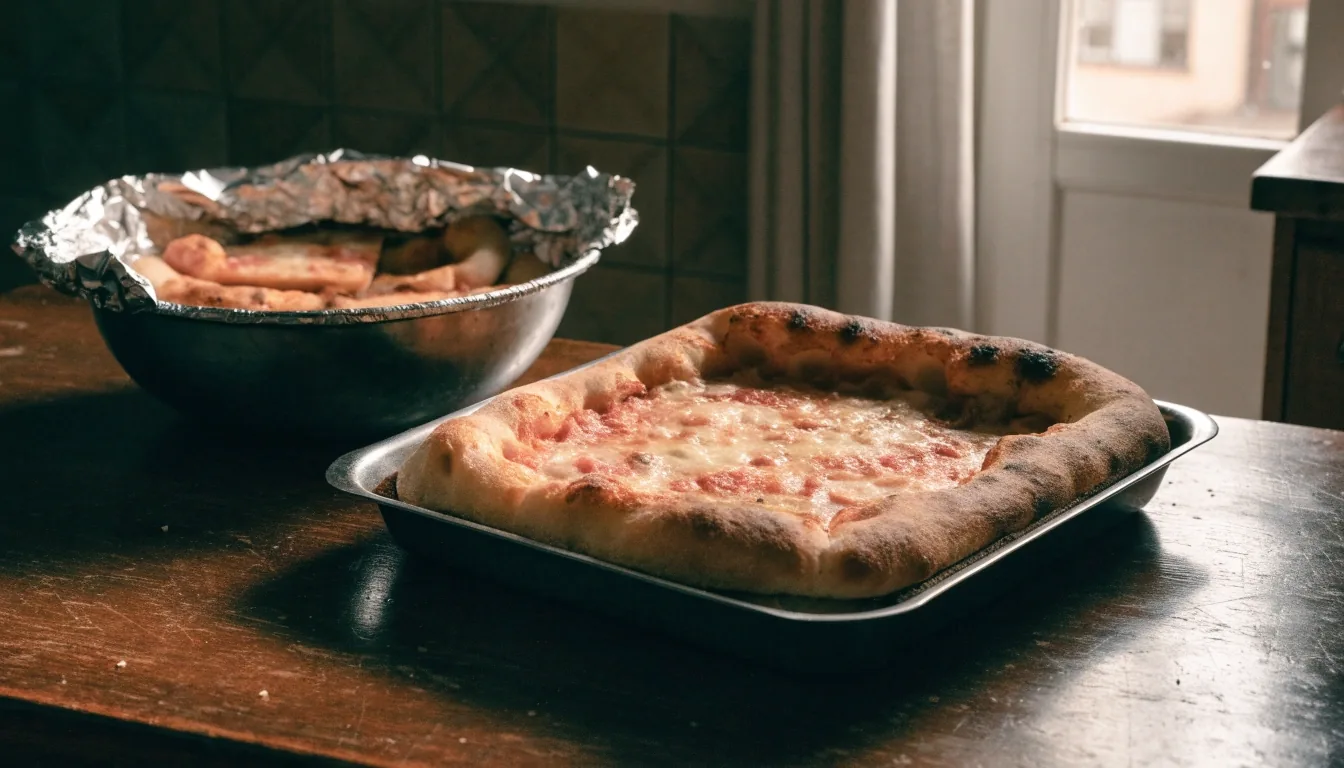
A pan for feeding a crowd
Detroit and Sicilian both go into an oiled pan, proof in place, and bake into a thick, crisp-edged square. These are the recipes to make when you are feeding several people and want leftovers, and they are the easiest in the collection to bake ahead and finish later.
See also: the Roman-style sheet for a tray you can par-bake and cut into squares.
See the cookbookQuestions before you bake
Short answers about the collection. If your question is about ordering or shipping, the contact page has the details.
Contact Dion's PizzaWhich recipes work in a normal home oven?
Most of the collection does. New York-style, the pan styles, Chicago deep-dish, and the weeknight doughs are all written around a standard oven and a steel or a pan. Neapolitan is the one that wants a very hot oven and a preheated broiler to get close to a wood-fired dome.
Do I need special flour?
No. The recipes name the flour strength they were tested with so you can compare it to what is on your shelf, but the dough notes explain how to adjust water when your flour is different. The dough and baking basics page covers this in more detail.
Where do I start if I have never made dough?
Start with New York-style or a simple pan pizza. Both tolerate small mistakes and teach you how to stretch dough without tearing it. The weeknight recipes are also a good first attempt, because you can bake one, learn from it, and try again the same evening.
How much planning does a long ferment need?
A cold ferment usually means mixing the dough a day ahead and letting it sit in the fridge overnight. The recipes give the window in hours rather than a strict clock, so a dough that sits a few hours longer still bakes well. Sourdough and pre-ferment recipes take the longest, and the book says so plainly.
Pick your first pie and bake it
The collection is written so a home cook can start tonight and still have something worth repeating on the weekend. Choose a style above, follow the dough notes, and use the cookbook for the full recipe set from Dion's Pizza.
See also: dough and baking basics before your first long ferment.
1290 Dough Street, Chicago, IL 60607 · Monday–Friday 9:00 AM–6:00 PM, Saturday 10:00 AM–4:00 PM, Sunday closed.